
Why Asking for Help Can Be Hard
Asking for help is one of those things that can feel surprisingly difficult—even when we need it most. For solo entrepreneurs and professional women alike, there can be an underlying fear of seeming incapable or losing control. Maybe you think, “If I don’t do it myself, it won’t be done right.” Or perhaps you’ve convinced yourself that needing help makes you less qualified or independent. Spoiler alert: It doesn’t.
Let’s face it: we live in a society that often celebrates self-reliance and hustle culture. But the truth is, trying to do everything alone isn’t just exhausting—it’s unsustainable. The good news? Learning to ask for help can open doors to growth, success, and yes, even a little peace of mind.

The Benefits of Asking for Help
- It Saves You Time and Energy: Delegating or seeking guidance allows you to focus on what you’re truly good at. For example, a solo entrepreneur might spend hours trying to figure out graphic design for social media when hiring a freelancer could save time and deliver a professional result.
- It Provides Fresh Perspectives: When you ask for help, you’re not just getting assistance; you’re also gaining access to new ideas, strategies, or skills. A professional woman managing a large project could benefit from brainstorming with her team rather than trying to develop every solution herself.
- It Builds Relationships: Asking for help fosters connection and collaboration. Whether it’s a mentor, peer, or team member, people often appreciate the opportunity to support others. It strengthens trust and mutual respect.
- It Reduces Stress: Carrying the weight of everything alone can lead to burnout. Sharing the load, even a little, can create space to breathe and recharge.
Why It’s Important Not to Go It Alone
No one’s meant to do it all. Solo female entrepreneurs often fall into the trap of wearing every hat in their business—from CEO to accountant to social media manager. While that works in the short term, it’s a recipe for exhaustion. Hiring a virtual assistant or joining a business mastermind group can be game-changers. These decisions not only lighten your load but also help you grow faster and smarter.
For professional women, the stakes can feel even higher. You might worry that asking for help could impact how you’re perceived in the workplace. But the reality is, successful leaders know how to delegate and tap into their network. If you’re juggling a high-pressure job and family responsibilities, outsourcing tasks like meal prep or house cleaning can give you back valuable time without sacrificing your sanity.
Practical Steps to Start Asking for Help
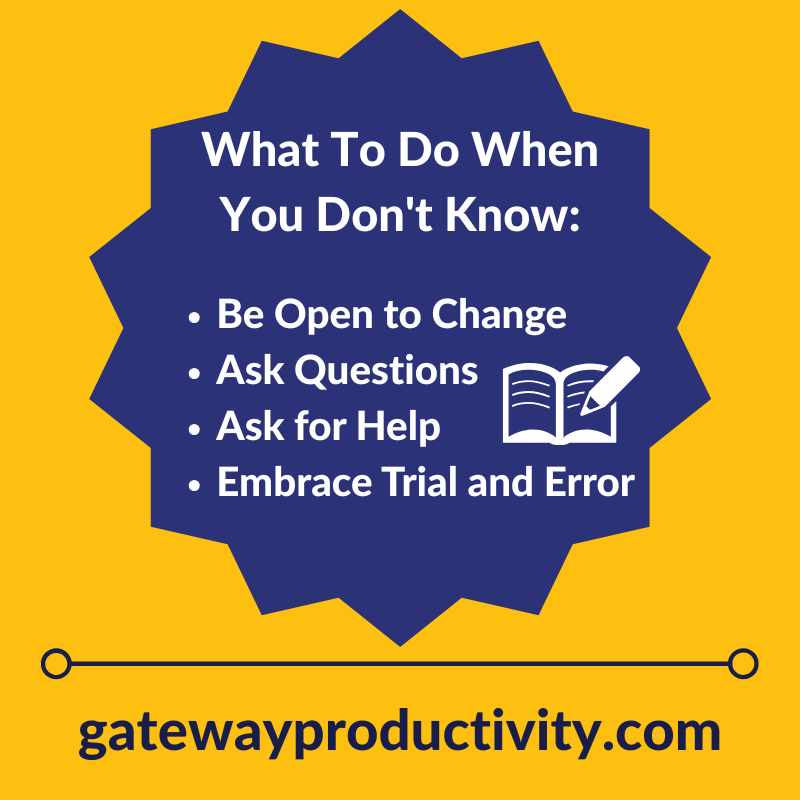
- Reframe Your Mindset: Remember that asking for help isn’t a sign of weakness—it’s a sign of resourcefulness. It shows you’re serious about success.
- Start Small: Practice asking for help in low-stakes situations to build confidence. For example, ask a colleague for feedback on a presentation or reach out to a friend for advice.
- Be Clear and Specific: When you ask for help, explain exactly what you need and why. This makes it easier for others to step in effectively.
- Give and Take: Collaboration works both ways. Be willing to help others when they need it, too.
A Final Thought
Whether you’re running a business or climbing the corporate ladder, trying to do everything alone isn’t a badge of honor. It’s a roadblock. Asking for help is a superpower that can lead to growth, connection, and success. So, next time you feel overwhelmed, remember: it’s okay to reach out. You’ll be better for it—and so will your business or career.